
News & Updates
Road Salt on Your Car? A Guide for New Jersey Drivers
September 22, 2026 · Updated September 23, 2026
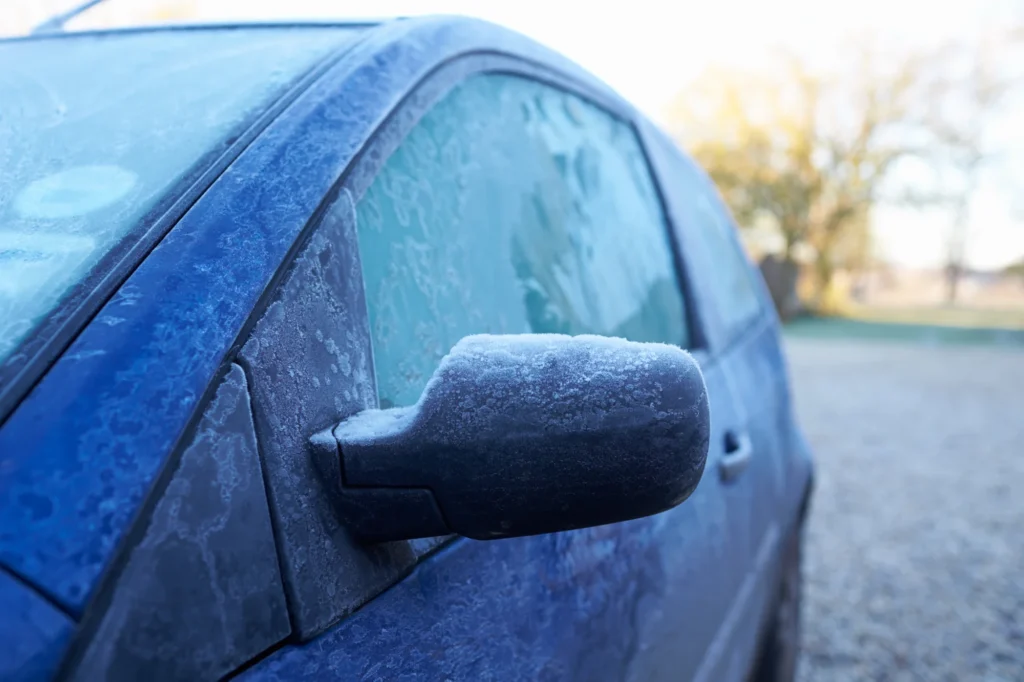
Every winter, New Jersey treats thousands of miles of highway with road salt. It keeps drivers safe on icy mornings, but it does not do your car any favors. The white film on your doors, the gritty spray coating your wheel wells, the chalky residue caked underneath — all of it adds up over the season.
If you drive Route 9, the Garden State Parkway or any of the local roads around Middlesex County, your car picks up salt on almost every trip between November and March. This guide breaks down what road salt actually does to a vehicle, which areas take the most damage and how a regular wash routine can help you stay ahead of it.
What Road Salt Does to Your Car
Road salt — typically sodium chloride or calcium chloride — lowers the freezing point of water on pavement. That is great for traction. The problem is that salt is also hygroscopic: it attracts and holds moisture against metal surfaces. When salty water sits on steel, it accelerates oxidation. In plain terms, it speeds up rust.
This does not happen overnight. Corrosion from road salt is a slow process that builds over weeks and months. A single winter drive will not ruin your car, but a full season of salt exposure without washing can leave lasting damage, especially on parts of the vehicle you do not see every day.
The Areas That Take the Most Damage
Not every part of your car faces the same level of risk. Some areas catch more salt spray, hold moisture longer or have exposed metal that corrodes faster than the rest.
Undercarriage and Frame
The underside of your car sits closest to the road and catches the heaviest concentration of salt spray. Brake lines, exhaust components, suspension parts and the frame itself are all exposed. Because you rarely see the undercarriage, corrosion can progress for months before you notice a problem. An undercarriage wash is one of the most effective things you can do during winter.
Wheel Wells and Fenders
Your tires kick salt and slush directly into the wheel wells. The debris packs into crevices and stays damp, creating the perfect conditions for rust to form. The inner fender liners protect the metal to a point, but salt finds its way past clips and seams over time.
Door Edges and Rocker Panels
The lower edges of your doors and the rocker panels along the bottom of the body sit in the splash zone. These areas often have drain holes that can clog with salt-laden grime, trapping water inside the panels where it accelerates corrosion from the inside out.
Paint and Clear Coat
Salt itself does not eat through paint, but it creates a cycle of moisture contact that wears down the clear coat over time. Chips from road debris give salt direct access to bare metal underneath. What starts as a small chip can become a rust spot by spring if it is not washed off regularly.
Brake Components
Brake rotors, calipers and hardware are fully exposed to road spray. A thin layer of surface rust on rotors after a salty drive is normal — it usually wears off the first time you brake. But prolonged salt exposure can corrode caliper slide pins, bleeder valves and the brake lines themselves, which is a safety concern.
How Often Should You Wash Your Car in Winter?
There is no single rule that works for every driver, but frequency matters more than perfection. A good guideline for New Jersey winters is to wash your car every one to two weeks during the months when roads are being treated. If you drive daily on salted highways — Route 9, Route 35 or the Parkway — lean toward the more frequent end.
A few situations call for a wash sooner rather than later:
- After a storm. The first day or two after a snow or ice event is when salt concentration on the road is highest. Washing within a day or two of heavy treatment makes a real difference.
- When temperatures rise above freezing. Salt does the most corrosive work when it is wet and active. A warm spell in January or February is actually when your car is most at risk, because the salt-water mixture stays liquid and keeps working on metal surfaces.
- Before a stretch of rain. Rain helps, but it does not reach every surface. A proper wash before a rainy period gives you a cleaner starting point.
Consistency is what counts. One wash in March will not undo three months of salt buildup. A regular routine — even if it is just a quick express wash — prevents the kind of accumulation that leads to real damage.
What to Look for in a Winter Car Wash
Not every wash does the same job when salt is the concern. Here is what to prioritize during the colder months.
Undercarriage Rinse
This is the single most important addition to a winter wash. The undercarriage holds the most salt and gets the least natural rinsing. Many express tunnel washes include an undercarriage spray that reaches areas a garden hose at home cannot.
Thorough Rinse Before Contact
Salt crystals are abrasive. If they are dragged across the paint during washing, they leave fine scratches. A strong pre-rinse softens and lifts the salt before any brushes or cloths make contact with the surface.
Wheel and Rocker Coverage
Make sure the wash process reaches the lower body panels, wheel faces and inner wheel wells. These are the areas where salt packs the heaviest and where water alone may not dislodge everything.
A Sealant or Wax Layer
A layer of wax or spray sealant adds a barrier between the salt and your paint. It will not stop corrosion on bare metal, but it makes it harder for salt to bond with painted surfaces and easier for the next wash to remove residue.
Can You Wash Your Car at Home in Winter?
You can, but it comes with limitations. Washing at home in cold weather means working with a garden hose that may not deliver enough pressure to clear packed salt from the undercarriage. Water can freeze on the driveway, on the car and on your hands. And without heated water, some of the salt residue just will not budge.
If you do wash at home, try to pick a day when the temperature is above 40°F and focus on the lower body, wheels and as much of the underside as your hose can reach. For the undercarriage specifically, a professional wash with dedicated spray nozzles will always do a more thorough job.
A Winter Wash Routine for Central Jersey Drivers
If you commute through South Amboy, Sayreville, Parlin, Old Bridge or Perth Amboy, your car is picking up road salt on a near-daily basis from late November through early March. Here is a simple routine that keeps salt from getting ahead of you:
- Wash every 10 to 14 days as a baseline. Increase to weekly during heavy treatment periods.
- Always include an undercarriage rinse. This is non-negotiable during salt season.
- Add a sealant or wax at least once a month to maintain a protective layer on your paint.
- Rinse after major storms within a day or two, even if it is just a quick pass through an express wash.
- Check your wheel wells periodically. If you see packed gray or brown buildup, it is time for a wash.
This does not need to take a lot of time. An express tunnel wash handles the job in a few minutes and fits easily into a commute or errand run. The goal is consistency — keeping salt exposure short so it never has the chance to settle in and do lasting damage.
Protect Your Car This Winter
Road salt is a fact of life in New Jersey. You cannot avoid it, but you can keep it from doing real harm. A regular wash routine — especially one that covers the undercarriage — is the most practical step any driver can take during the winter months.
Cosmo Car Wash is open seven days a week on Route 9 in South Amboy. Every wash includes coverage of the lower body and wheels, and our higher-tier washes add a dedicated undercarriage rinse and paint sealant. Stop by on your way home or between errands — a few minutes now saves you from a much bigger problem in the spring.